Vaccinations, Geelong and the Bellarine
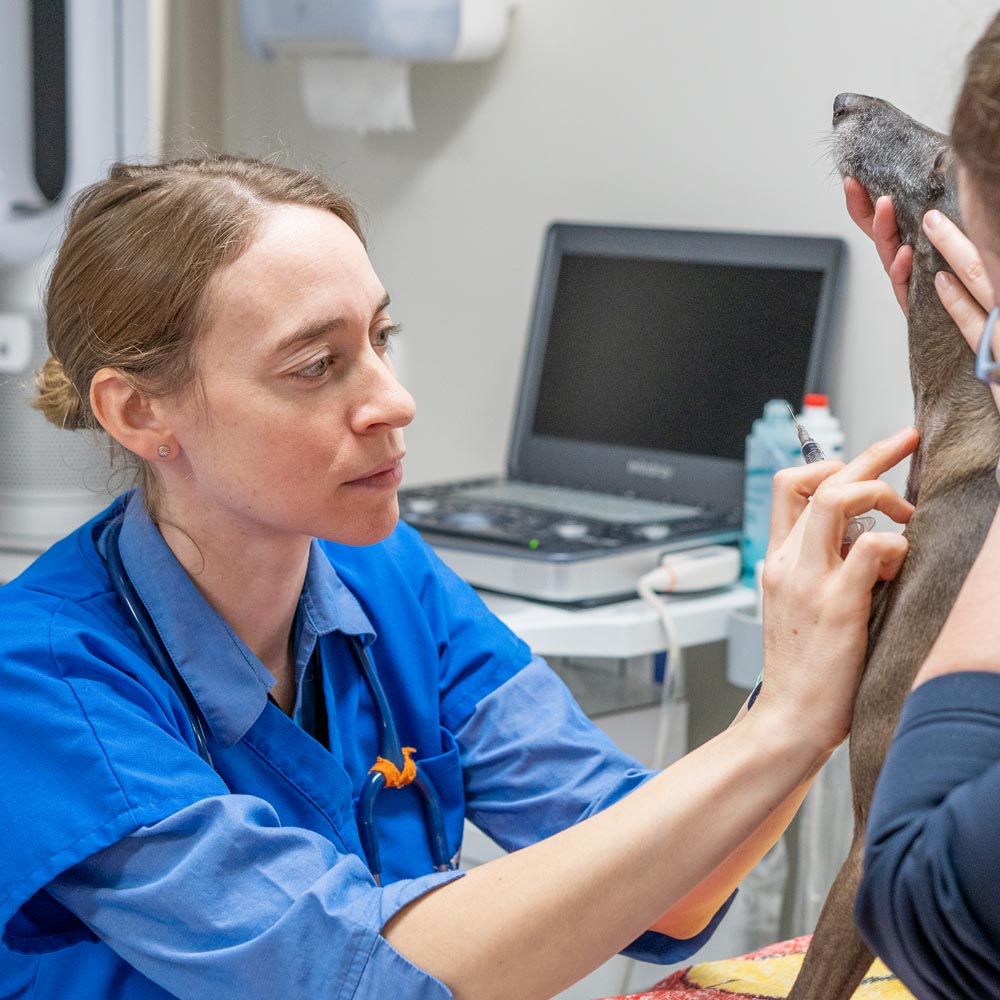
Vaccinations are crucial in protecting your pet from serious, preventable, and potentially fatal diseases, as well as meeting boarding and daycare requirements. At Bellarine Veterinary Practice, we follow Australian veterinary guidelines to provide tailored vaccination programs for dogs, cats, rabbits and ferrets.
Cat vaccinations
Our core F3 vaccine protects against feline rhinotracheitis, calicivirus (cat flu), and panleukopaenia (enteritis). After the initial kitten course, adult cats require an F3 booster at 12 months, followed by a triennial F3 for long-term protection. Annual F2 boosters maintain immunity against cat flu. Non-core vaccines, including FIV, FeLV, and Chlamydia felis, are recommended based on lifestyle and risk—speak to our vets for personalised advice.
FIV: risk factors and vaccination candidates
Feline Immunodeficiency Virus (FIV) is most commonly spread through deep bite wounds, so risk is highest for cats that roam outdoors, get into fights, or live with unfamiliar cats. Entire (un-neutered) males and cats in high-density areas can be at greater risk because they’re more likely to roam and clash. FIV is not spread casually through sharing food bowls in most households, but close contact and fighting in multi-cat situations can increase exposure. Vaccination may be considered for FIV-negative cats that cannot be reliably kept indoors, have a history of fighting, or live/travel in higher-risk environments. Because vaccination can complicate interpretation of some FIV blood tests, we recommend testing before vaccination and discussing ongoing testing plans. For many cats, the best prevention remains desexing, keeping cats indoors (or in a secure cat run), and introducing new cats carefully.
Dog vaccinations
Core C3 vaccines protect against canine distemper, adenovirus, and parvovirus, with a triennial schedule for adult dogs, following their initial puppy vaccination course. For social dogs or those entering boarding, a C5 vaccine adds protection against kennel cough (canine parainfluenza and Bordetella bronchiseptica). Annual kennel cough boosters are recommended. Additional non-core vaccines, such as leptospirosis or coronavirus, may be advised depending on your dog’s environment and risk factors.
Leptospirosis: risk factors and vaccination candidates
Leptospirosis is a serious bacterial disease spread via the urine of infected wildlife and rodents, contaminating puddles, dams, creeks, mud and wet grass. Leptospirosis is considered a ZOONOTIC disease, meaning it can be transmitted from dogs to humans. Humans can also contract leptospirosis from the environment, like dogs do.
Dogs are most at risk when they swim or drink from natural waterways, visit farms or rural properties, hunt, or spend time in areas with heavy rain, flooding, poor drainage or high rodent activity.
Working dogs, adventurous “water-loving” dogs, dogs that roam, and those that board or travel to higher-risk regions may be candidates for vaccination. Puppies and young adults can be more vulnerable, and any dog with frequent outdoor exposure may benefit.
Vaccination is considered a non-core vaccine in Australia, so we recommend an individual risk assessment based on your dog’s lifestyle, travel plans and local conditions.
If your dog develops fever, lethargy, vomiting, increased thirst or jaundice, seek urgent veterinary care.
Rabbit and ferret vaccinations
Filavac VHD K C + V vaccines protect rabbits against RHDV (Rabbit Haemorrhagic Disease Virus) types 1 and 2. A single vaccination from 10 weeks of age provides immunity 7 days later and then lasts 12 months. We recommend 6 monthly rabbit health checks to help detect problems early.
Ferrets are at risk of catching distemper, however, no specific monovalent vaccine is available in Australia for ferrets. Consequently, polyvalent canine distemper vaccines are used “off label” in ferrets.
Discuss your options for vaccination of ferrets with our vets.
Book your pet’s vaccination today at one of our six clinics across Geelong and the Bellarine and our team will tailor a vaccination plan suited to your pet’s age, health, and lifestyle.
You can find out more about core and non-core vaccinations in our FAQs.