Veterinary surgery, Geelong
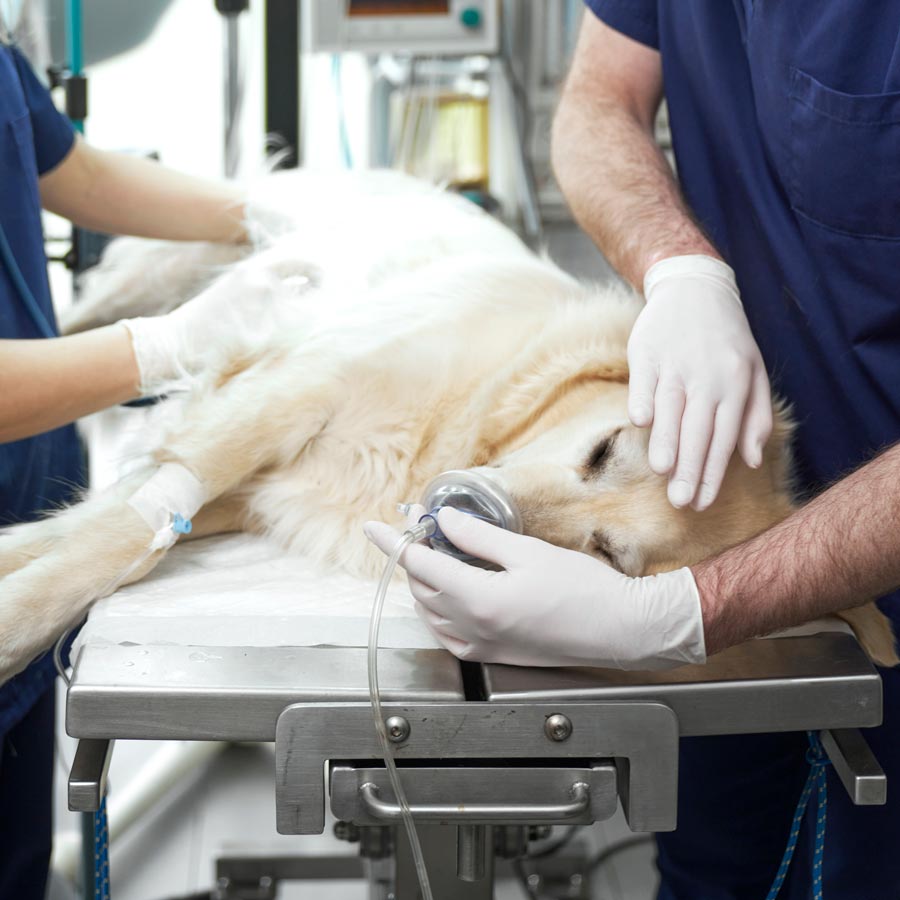
When your pet requires surgery, peace of mind comes from knowing they’re in the best possible hands. At Bellarine Veterinary Practice in Geelong, our commitment to excellence goes beyond skilled veterinary care to include sophisticated facilities and equipment with comprehensive monitoring systems that truly set us apart. Our experienced staff take the very best care of your pet while undergoing veterinary surgery and support them throughout their recovery.
Four of our six clinics – Newcomb, Drysdale, Grovedale and Ocean Grove – are fully equipped veterinary hospitals capable of dealing with simple or complex surgery. With a dedicated isolation ward, our Newcomb practice holds the distinction of been the only accredited Australian Small Animal Veterinary Group (ASAV) hospital in Geelong since 1990.
What truly differentiates Bellarine Veterinary Practice is our investment in surgical and diagnostic equipment. Our hospitals are fitted with advanced imaging technologies, including ultrasound and endoscopy, allowing for precise diagnostics and minimally invasive procedures, including laparoscopic surgery. This not only improves surgical outcomes but also reduces recovery time and discomfort for your pet.
Equally important is our approach to patient safety and monitoring. Tailored anaesthetic and pain management protocols, as well as sophisticated monitoring equipment, are employed by our highly trained team during surgery, ensuring your pet’s welfare at every stage.
Comprehensive veterinary surgical services
Our team’s expertise spans a wide range of procedures, including:
- Desexing
- General surgery and injury repair
- Cryosurgery
- Soft tissue surgery
- Orthopaedic surgery, including cruciate and TPLO surgery
- Reconstructive surgery
- Reproductive surgery
- Oral surgery
- Endoscopic surgery
- Laparoscopic and minimally invasive surgery
- Dental and oral surgery
Whether it is a simple or complex undertaking, each surgical procedure is performed with precision, dedication, and skill. Choosing Bellarine Veterinary Practice means prioritising your pet’s wellbeing with the highest standards of expert care. Contact us today or book online to find out more.
Orthopaedic surgery
Cruciate disease
Cruciate disease is one of the most common orthopaedic conditions affecting dogs, particularly medium and large breeds. Early recognition and intervention is essential to reduce pain and protect long‑term mobility. This condition develops when the cranial cruciate ligament (CCL), which is the key structure stabilising the knee, weakens or ruptures, leading to inflammation, joint instability and progressive osteoarthritis.
Acute cruciate rupture typically occurs when the CCL, already weakened by underlying degenerative change, suddenly tears during running, turning sharply, jumping or playing. Affected dogs often present with sudden hindlimb lameness, difficulty weight‑bearing and noticeable swelling around the knee. Because the CCL is essential for preventing the tibia from sliding forward relative to the femur, its failure leads to rapid biomechanical disruption within the stifle, triggering discomfort and prompting the dog to avoid using the affected limb. In addition, stiffness after rest, difficulty rising and reduced willingness to exercise may also be seen. Compensatory weight shifting to the other hindlimb increases the risk of secondary strain.
Certain breeds are over‑represented, with Labrador Retrievers, Rottweilers, Golden Retrievers, Boxers and Newfoundlands commonly affected. Some smaller breeds such as Bichon Frise and West Highland White Terriers may also be predisposed due to specific anatomical factors that increase strain on the ligament.
Recognising early signs and seeking prompt veterinary assessment are essential to managing cruciate disease effectively. Surgery is required in the majority of cases to stabilise the stifle, and various methods are used to achieve this outcome with the aim being to improve long-term patient comfort and mobility. Physical therapy can improve outcomes both before and after surgery.
Tibial Plateau Leveling Osteotomy (TPLO)
TPLO (Tibial Plateau Leveling Osteotomy) is one of the most advanced and effective surgical treatments for cruciate ligament rupture in dogs. This procedure stabilises the knee by altering the biomechanics of the joint. During TPLO surgery, a cut is made in the tibial plateau and it is rotated to create a more level surface, reducing the shear forces that cause instability. The repositioned bone is then secured with a metal plate and screws, providing immediate mechanical stability while the bone heals.
TPLO is widely recognised as a highly successful option for medium to large or active dogs, delivering stronger long‑term stability and slowing the progression of arthritis when compared with many traditional repair techniques. It allows dogs to regain mobility more quickly and supports a return to an active lifestyle.
Recovery from TPLO typically spans 8–12 weeks, beginning with strict rest and controlled movement to allow the osteotomy site to heal. Most dogs begin weight‑bearing within the first week and gradually build strength as activity is reintroduced under veterinary guidance.
At Bellarine Veterinary Practice, we understand that recovery extends beyond surgery. To support healing, we provide two complimentary post‑operative rehabilitation treatments within the first month, which can begin as early as week one to enhance comfort, mobility and recovery outcomes. Thia is a nurse-led program, supervised by our orthopaedic surgeons.
De Angelis (lateral suture / extracapsular) cruciate repair
The De Angelis technique (also known as extracapsular lateral suture stabilisation) is a well‑established surgical method for treating cranial cruciate ligament (CCL) rupture in smaller dogs. This procedure stabilises the knee joint from outside the joint capsule by placing a strong suture in the same alignment as the original ligament. The suture prevents the tibia from shifting forward during weight‑bearing, allowing scar tissue to form and eventually provide long‑term stability.
De Angelis surgery is particularly effective in small dogs and less active patients, delivering good outcomes without the need for more complex osteotomy procedures. It is also one of the most cost‑effective cruciate repair options, making it a practical choice for dogs under approximately 10 kg.
Recovery generally spans 8–12 weeks, during which the implanted suture supports the joint while natural scar tissue develops. Activity must be strictly restricted during this period to avoid tension on the repair and ensure proper healing.
At Bellarine Veterinary Practice, our team performs modified De Angelis repairs using high‑strength materials to optimise joint stability and comfort. We guide you through every stage of recovery to help your dog return to confident, comfortable movement.
Tibial Wedge Osteotomy (TWO)
Tibial Wedge Osteotomy (also known as Cranial Closing Wedge Osteotomy or CCWO) is a biomechanically advanced surgical option for treating cranial cruciate ligament rupture. This procedure involves removing a precisely measured wedge of bone from the tibia to reduce the tibial plateau angle. By flattening this angle, TWO surgery eliminates the forward sliding force (cranial tibial thrust) that occurs when the CCL is damaged, restoring stifle stability during weight‑bearing.
The cut sections of bone are then closed and secured with a specialised plate and screws, allowing the tibia to heal in its new, mechanically improved position. This method is particularly beneficial for dogs whose anatomy or degree of tibial slope makes them strong candidates for a plateau‑adjusting procedure.
Post‑operative care involves strict rest, controlled activity, and regular follow‑up radiographs to assess bone healing. As with all osteotomy‑based cruciate surgeries, recovery typically progresses over several months, with most dogs achieving strong, stable limb function once healed.
At Bellarine Veterinary Practice, our experienced surgical team custom plans each osteotomy using radiographic imaging and precise measurements to ensure optimal alignment, stability and long‑term joint health.
Luxating patella surgery
Medial patella luxation is a common orthopaedic condition in small and medium‑breed dogs where the kneecap slips out of its normal position, leading to skipping, lameness and long‑term discomfort. This condition may stem from genetics, poor limb alignment, or trauma, and can progress to painful arthritis if left untreated.
A variety of surgical techniques may be used depending on the severity and anatomical cause of the luxation. These procedures restore proper alignment and allow the patella to track smoothly during movement.
Commonly affected breeds include Chihuahuas, Pomeranians, Yorkies, Miniature Poodles, Bichons, Maltese, Cavalier King Charles Spaniels, Pugs and French Bulldogs among others, reflecting the condition’s strong anatomical and genetic influences.
At Bellarine Veterinary Practice, our surgeons tailor patella repair techniques to each dog’s specific anatomy, ensuring optimal stabilisation, reduced pain and improved mobility. With careful post‑operative care and rehabilitation support, most dogs return to comfortable, confident activity.
Soft tissue procedures
At Bellarine Veterinary Practice, we provide a comprehensive range of soft tissue surgical services, offering advanced, patient‑centred care for pets of all breeds and sizes. Our experienced surgical team performs procedures involving the skin, muscles, organs and internal structures, all with a focus on reducing discomfort, improving recovery outcomes and ensuring the highest standards of safety and precision.
Some abdominal procedures lend themselves to laparoscopic surgery, which allows internal procedures to be performed through very small incisions using specialised camera‑guided instruments. This modern approach reduces tissue trauma, minimises bleeding and can shorten recovery times compared with traditional open surgery. Laparoscopy is commonly used for procedures such as female desexing and prophylactic gastropexy, resulting in a smoother recovery with less post‑operative discomfort.
Across all soft tissue procedures, Bellarine Veterinary Practice maintains the highest standards of surgical expertise, as well as tailored, carefully considered anaesthetic protocols and advanced monitoring to ensure patient safety at every stage. We prioritise clear communication, compassionate handling and personalised support, helping both pets and their families feel confident and informed throughout their treatment.
Whether your dog requires a routine procedure or advanced minimally invasive surgery, our soft tissue surgical services are designed to deliver exceptional care, excellent outcomes and a smoother, more comfortable recovery.
Prophylactic gastropexy is a preventative procedure recommended for large, deep‑chested breeds at risk of gastric dilatation–volvulus (GDV). This surgery permanently secures the stomach to the abdominal wall, preventing life‑threatening twisting while allowing normal function. Large, deep‑chested breeds such as Great Danes, German Shepherds, Standard Poodles, Dobermans and Boxers are particularly predisposed to this emergency.
At Bellarine Veterinary Practice, our surgical team offers gastropexy as part of our advanced soft tissue and laparoscopic services. The procedure permanently secures the stomach to the abdominal wall, preventing dangerous twisting while allowing normal function. When performed electively, gastropexy is significantly safer and more cost‑effective than emergency GDV surgery.
Many owners choose to combine gastropexy with desexing to minimise anaesthetic events and streamline recovery, though it can also be performed as a standalone surgery, including via minimally invasive laparoscopic techniques.
While gastropexy does not prevent bloat itself, it dramatically reduces the risk of the stomach twisting – a complication that turns bloat into a critical emergency. Dogs that undergo prophylactic gastropexy have a far improved prognosis should bloat occur.
For owners of large or deep‑chested breeds, prophylactic gastropexy is an invaluable step in protecting long‑term health. Contact Bellarine Veterinary Practice to discuss your dog’s risks, suitability and surgical options.
Laparoscopic surgery
Laparoscopic surgery is an advanced, minimally invasive technique that allows our veterinary team to perform internal procedures through tiny incisions using a specialised camera system. This approach provides exceptional precision while significantly reducing tissue trauma compared with traditional open surgery.
For female dog desexing procedures, laparoscopic techniques allow removal of only the ovaries through very small incisions, resulting in markedly less tissue disruption and a smoother recovery process. Laparoscopy also enables our team to perform prophylactic gastropexy for large, deep‑chested breeds at risk of gastric dilatation–volvulus (GDV). This preventative procedure permanently secures the stomach to the abdominal wall to stop dangerous twisting, dramatically reducing the risk of life‑threatening complications should bloat occur.
The benefits of laparoscopic surgery can include smaller incisions which mean reduced discomfort, minimal bleeding and a lower risk of infection, leading to a faster and more comfortable recovery for your dog.
Throughout every procedure, our highly trained team employs tailored anaesthetic protocols and sophisticated monitoring equipment to ensure patient safety at every stage. This commitment to advanced care supports optimal surgical outcomes and provides reassurance for pet owners seeking the best for their dogs
At Bellarine Veterinary Practice, our team understands that even minimally invasive surgery can feel daunting for both pets and their families. We take the time to explain the process clearly, answer your questions and provide personalised support before, during and after your dog’s procedure, ensuring you feel confident and your pet feels cared for throughout their surgical experience.
BOAS (Brachycephalic Obstructive Airway Syndrome)
Brachycephalic Obstructive Airway Syndrome (BOAS) is a respiratory condition affecting flat‑faced (brachycephalic) dog breeds, including Pugs, French Bulldogs, British Bulldogs, Boston Terriers, Shih Tzus and similar short‑muzzled breeds. These dogs are born with shortened skulls, which alter the surrounding soft tissue structures and reduce the space available in the upper airways, making breathing significantly more difficult.
BOAS occurs due to a combination of anatomical abnormalities that restrict airflow. Common primary abnormalities include:
- Stenotic nares – narrow nostrils restricting airflow
- Elongated soft palate – excess length of the soft part of the roof of the mouth partially blocks the entrance to the trachea (windpipe) at the back of the throat
- Hypoplastic trachea – undersized windpipe
- Hypertrophic intransal turbinates – excessive enlargement or overgrowth of the bony shelves inside the nasal cavity blocks narrow nasal passages restricting air flow
- Caudal aberrant nasal turbinates – the bony shelves inside the nasal cavity extend too far backwards into the nose which inhibits normal nasal airflow, impeding efficient breathing.
Secondary changes may develop over time such as:
- Everted laryngeal saccules – these are small sacs or pouches that are part of the larynx (voice box) which can evert (turn outwards) or get sucked into the airway and further obstruct airway flow.
- Laryngeal collapse – occurs as the dog works harder to breathe, further worsening obstruction and compromising respiratory function
- Swollen tonsils – decreasing room to breathe
Clinical signs of BOAS vary in severity and often progress with age. Common symptoms include snoring, noisy breathing, panting, reduced exercise tolerance, overheating, regurgitation, sleep disturbances and, in severe cases, respiratory distress or collapse. Dogs with BOAS are also more susceptible to heat stress, as their compromised airways limit their ability to cool themselves effectively through panting, a particular concern in Australia’s warmer months. Early diagnosis and intervention are crucial. Many dogs benefit from corrective surgery that widens the nostrils, shortens the soft palate or removes obstructive tissue, significantly improving airflow and long‑term quality of life. Surgery is most effective when performed at a young age, before chronic secondary changes develop.
At Bellarine Veterinary Practice, our experienced surgical team can assess your brachycephalic dog for BOAS and discuss tailored treatment options to help them breathe more comfortably and live a healthier, more active life. If your dog shows signs of BOAS, or you own a breed at higher risk, we encourage you to book a consultation to ensure early support and intervention.